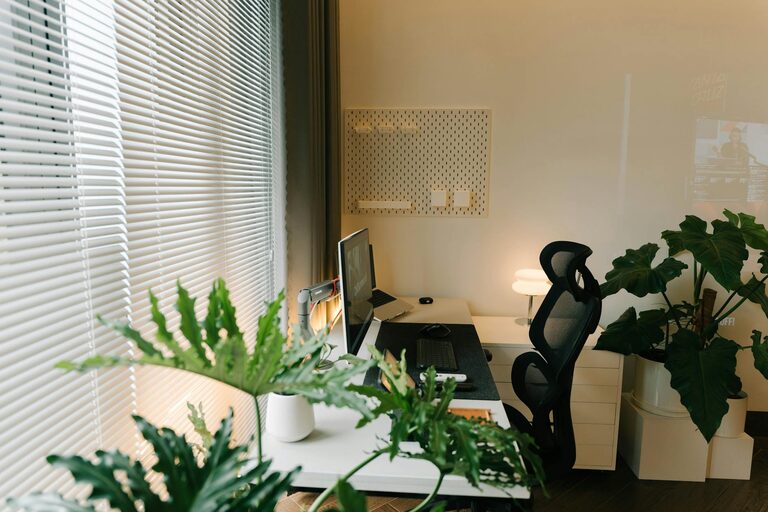
Creating a relaxing home office environment is essential for maintaining productivity and well-being, especially when working from home. A space that blends comfort with functionality encourages focus and reduces stress. Whether you are setting up a new office or redesigning your current one, these tips will help you create a peaceful and efficient workspace.
Why a Relaxing Home Office Matters
Working from home offers flexibility, but it can also blur the lines between personal and professional life. A relaxing and well-organized office can:
– Improve concentration and efficiency
– Lower stress and prevent burnout
– Create a sense of routine and professionalism
– Make working from home more enjoyable
By dedicating time to design your home office for comfort and calm, you invest in your well-being and career success.
Choose the Right Location
Find a Quiet Space
Selecting a quiet spot with minimal distractions is key. Ideally, set up your office in a separate room or a low-traffic area to reduce noise and interruptions. If you don’t have a separate room, consider using room dividers or noise-cancelling headphones.
Utilize Natural Light
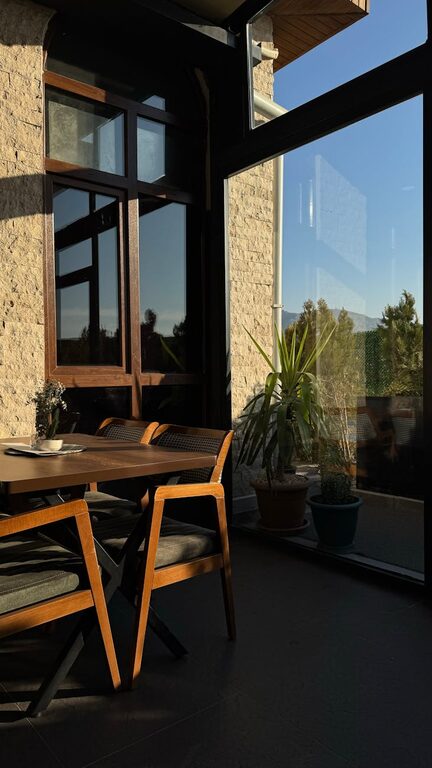
Natural light improves mood and alertness. Position your desk near a window to benefit from daylight without glare on your screen. If natural light is limited, invest in good-quality lighting that mimics daylight.
Prioritize Ergonomics
Invest in a Comfortable Chair
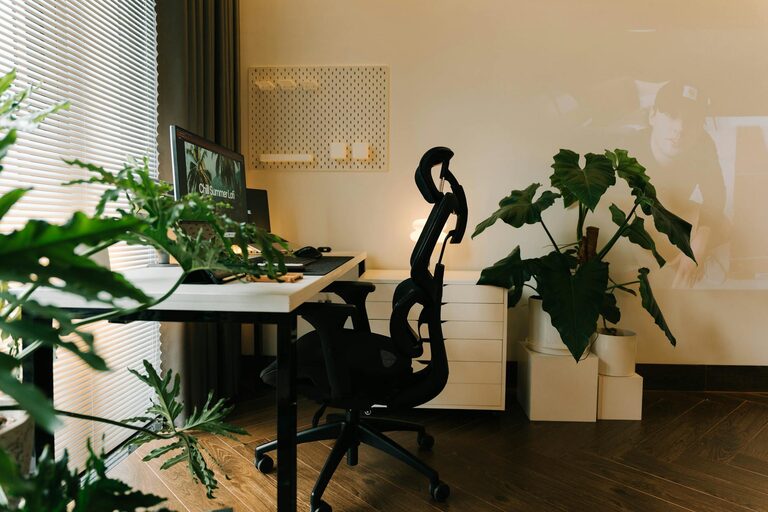
A supportive office chair helps maintain good posture and prevents back pain. Look for adjustable chairs that provide lumbar support and allow you to sit with feet flat on the floor.
Desk Height and Monitor Placement
Ensure your desk height allows your arms to rest comfortably at a 90-degree angle. Position your computer monitor at eye level to reduce neck strain. Consider using a monitor stand if necessary.
Create a Calm Color Palette
Choosing calming colors for your office walls and accessories can influence your mood. Soft neutrals like white, beige, soft greens, or pastel blues promote relaxation. Avoid overly bright or harsh colors that may cause stress or distraction.
Keep Your Space Organized
Declutter Regularly
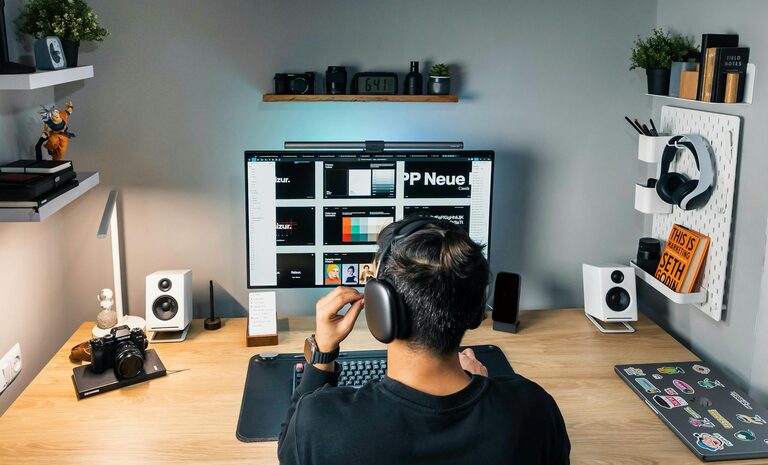
Clutter can increase anxiety and reduce productivity. Keep only necessary items on your desk and store others in drawers or shelves. Use organizers, trays, or containers to keep small items tidy.
Use Cable Management Solutions
Loose cables can create a messy look and become distractions. Cable clips, sleeves, or under-desk trays help keep cords organized and out of sight.
Add Personal and Soothing Touches
Incorporate Plants
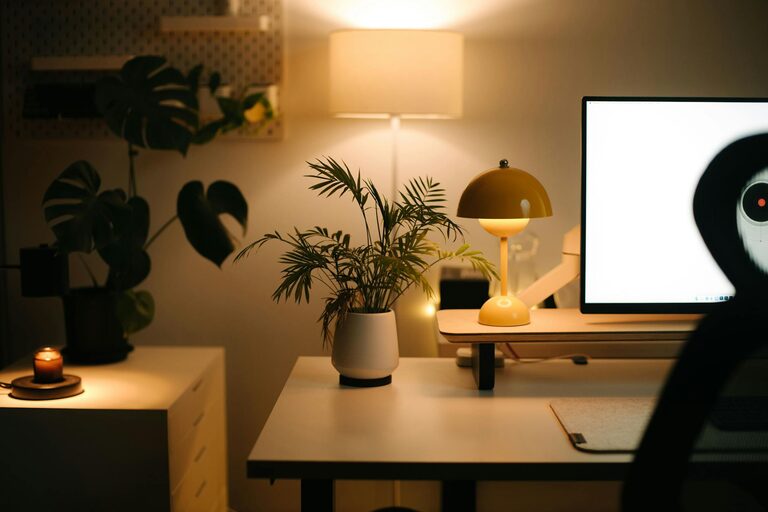
Adding greenery can improve air quality and enhance your mood. Choose low-maintenance plants like succulents, spider plants, or pothos for easy care.
Use Aromatherapy
A gentle diffuser with essential oils such as lavender or eucalyptus can create a calming atmosphere. Make sure the scent is subtle and not overwhelming.
Display Inspiring Items
Personal photos, art prints, or motivational quotes can make your office feel inviting and inspiring. Keep these items meaningful and avoid overcrowding your space.
Manage Noise and Distractions
Use Noise-Cancelling Tools
Noise-cancelling headphones or white noise machines help block unwanted sounds. If possible, set quiet hours with family or roommates to minimize disturbances.
Set Boundaries
Communicate your work hours and space boundaries clearly to household members. This helps create respect for your focus time and reduces interruptions.
Take Breaks and Move
Even with a relaxing environment, sitting too long isn’t healthy. Schedule regular breaks to stretch, walk, or do quick exercises. A well-designed office encourages movement, such as standing desks or adjustable workstations.
Maintain Good Air Quality
Ensure your workspace is well-ventilated. Fresh air lowers fatigue and improves cognition. If windows can’t be opened often, consider an air purifier or plants that improve air quality.
Final Thoughts
Designing a relaxing home office is about balancing comfort and productivity. With thoughtful choices in location, lighting, ergonomics, colors, and organization, you can create a space that supports your work and well-being. Remember, a peaceful environment encourages focus, creativity, and job satisfaction—essentials for success while working from home. Take your time to personalize your office and adapt it as your needs evolve.
Happy designing!
About the Author