Creating a home office that is both cozy and productive can make a huge difference in how you feel and work throughout the day. Whether you are working remotely full-time or just need a dedicated space for occasional tasks, setting up an environment that supports your focus and comfort is essential. Below are some friendly and practical tips to help you design a home office that feels inviting and promotes productivity.
Choose the Right Location
The first step in creating a great home office is selecting the right spot. Ideally, this should be a quiet area away from heavy foot traffic and distractions. If possible, use a separate room with a door you can close to separate work from your personal life.
Consider Natural Light
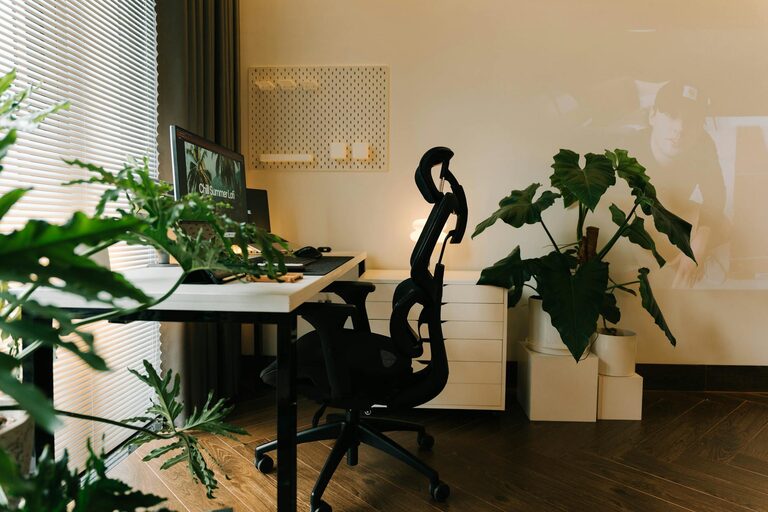
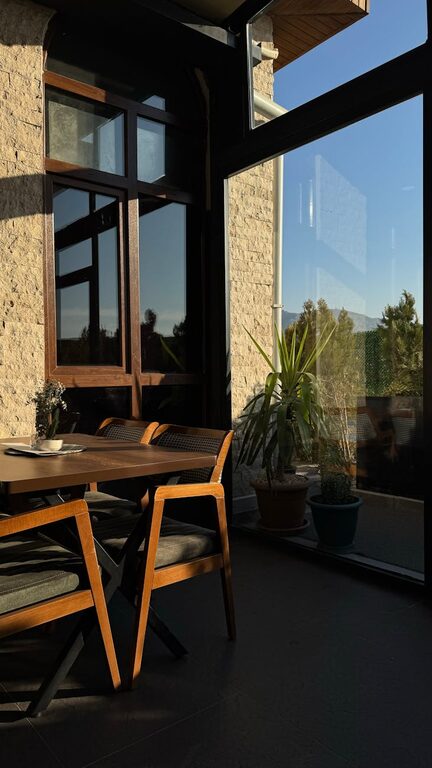
Placing your desk near a window lets in natural light, which can boost your mood and energy levels. If natural light is limited, invest in quality artificial lighting with adjustable brightness to reduce eye strain.
Invest in Comfortable and Ergonomic Furniture
Comfort is key when you spend hours at your desk. An ergonomic chair that supports your back and encourages good posture is worth the investment.
– Chair: Look for adjustable height and lumbar support.
– Desk: Choose a size that fits your equipment and allows for movement.
– Optional: Consider a sit-stand desk to alternate between positions.
Organize with Functional Storage
A cluttered space can distract and reduce productivity. Use storage solutions that keep your office tidy without sacrificing style.
– Floating shelves for books and décor.
– Drawer organizers for stationery.
– Filing cabinets or boxes for paperwork.
Keep only essential items within arm’s reach to maintain a clean surface.
Personalize Your Space
Adding personal touches can make your office feel cozy and welcoming. Select décor items that inspire you without overwhelming the space.
– Plants improve air quality and add a touch of nature.
– Motivational prints or artwork add character.
– A cozy rug can add texture and warmth.
Avoid too many distractions by balancing personalization with simplicity.
Manage Technology Effectively
Your tech setup is the backbone of productivity, so organizing cables and choosing the right equipment matters.
– Use cable organizers or clips to keep wires tidy.
– Invest in a reliable high-speed internet connection.
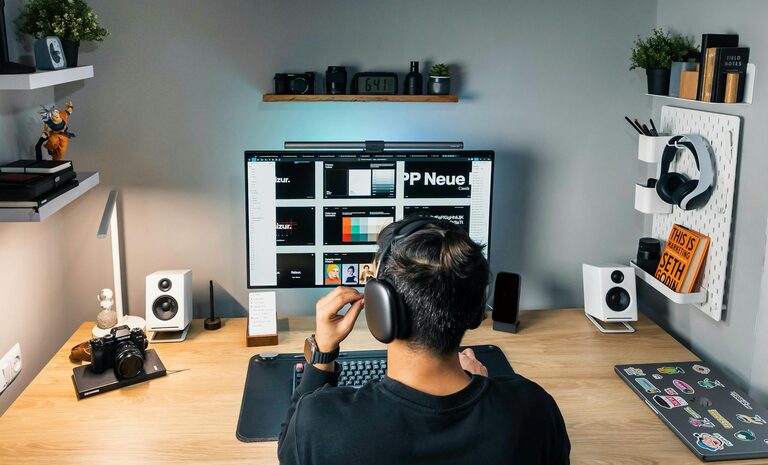
– Choose peripherals like external monitors, keyboards, and mice that feel comfortable.
Regularly update software and keep your devices clean to prevent slowdowns.
Establish a Routine and Boundaries
A productive home office is not just about the physical space but also how you use it.
– Set clear working hours to separate work from downtime.
– Take breaks to avoid burnout; consider techniques like the Pomodoro method.
– Communicate boundaries to family or housemates to minimize interruptions.
Optimize Acoustics
Noise can be a big distraction, so consider ways to reduce it.
– Use noise-canceling headphones if noise is unavoidable.
– Add rugs, curtains, or acoustic panels to absorb sound.
– White noise machines or apps can help mask background noise.
Keep Air Quality and Temperature Comfortable
A fresh, well-ventilated space helps concentration.
– Open windows when possible to circulate air.
– Use an air purifier if needed.
– Maintain a comfortable temperature with fans or heaters.
Lighting Tips for Productivity
Good lighting reduces eye strain and sets the mood.
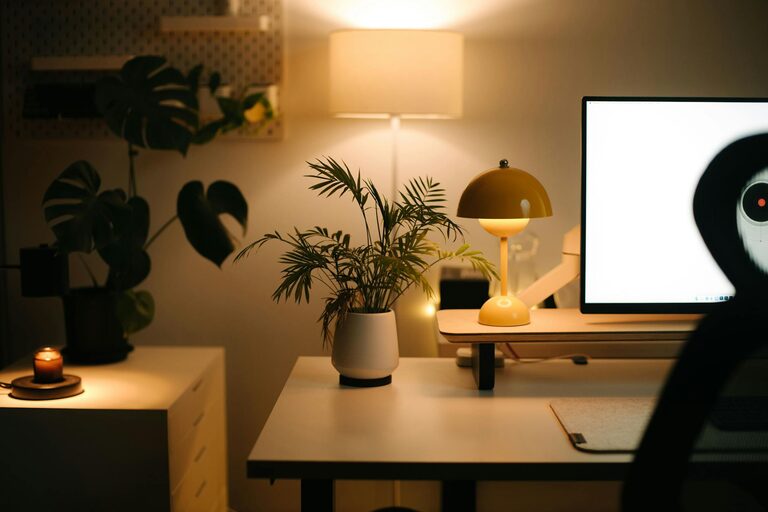
– Combine overhead lighting with task lighting.
– Use daylight bulbs for natural light effect.
– Position your monitor to avoid glare.
Final Thoughts
Designing a cozy and productive home office is a balance between comfort, organization, and functionality. By thoughtfully selecting your space and furnishings, managing technology, and establishing boundaries, you can create an environment that inspires work and well-being. Start small and personalize your workspace over time to make it uniquely yours.
—
With these tips, your home office can become a favorite place to work, supporting your productivity and making workdays more enjoyable. Happy decorating!
About the Author