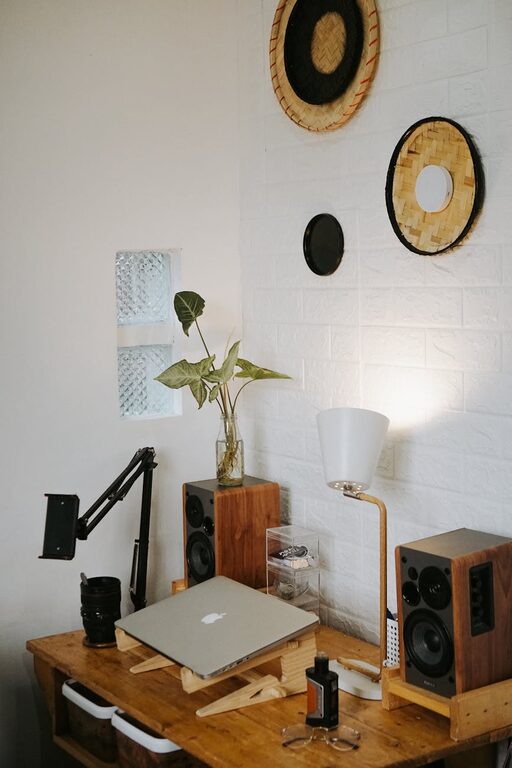
Creating a home office that feels both cozy and productive can transform your remote work experience. A well-designed space can boost your focus, reduce stress, and make your tasks more enjoyable. Whether you have a dedicated room or a small corner, these tips will help you create a functional and inviting workspace tailored to your needs.
Choose the Right Location
Prioritize Natural Light
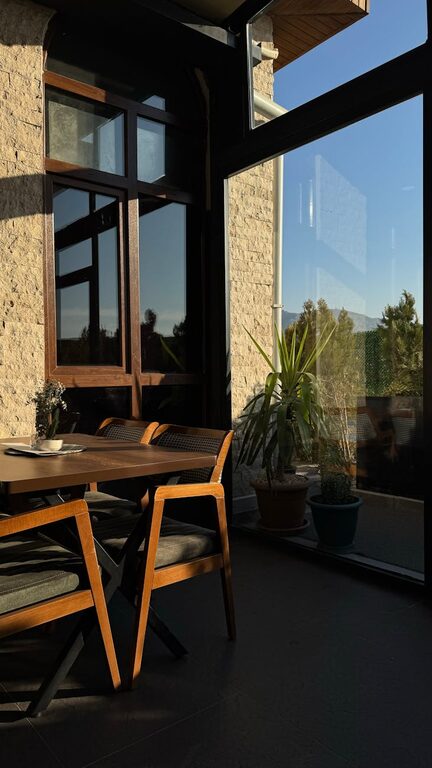
Natural light not only brightens your space but also improves mood and productivity. Position your desk near a window if possible, so you can enjoy daylight throughout your workday. Avoid glare on your screens by placing your monitor perpendicular to windows.
Consider Noise Levels
Select a quiet area to minimize distractions. If your home tends to be noisy, think about soundproofing options, like rugs, curtains, or noise-canceling headphones, to create a calm environment.
Invest in Comfortable and Ergonomic Furniture
Comfortable Seating
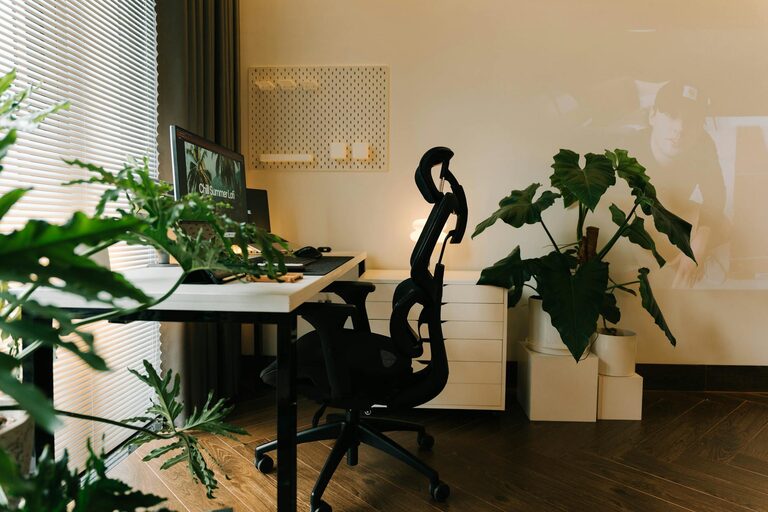
A supportive chair is essential for long work hours. Look for adjustable chairs that promote good posture and provide lumbar support. Comfort helps prevent back and neck pain.
Functional Desk
Choose a desk that fits your space and work style. Whether it’s a standing desk or a simple table, make sure it offers enough surface area for your equipment and supplies.
Organize Your Workspace for Efficiency
Declutter Regularly
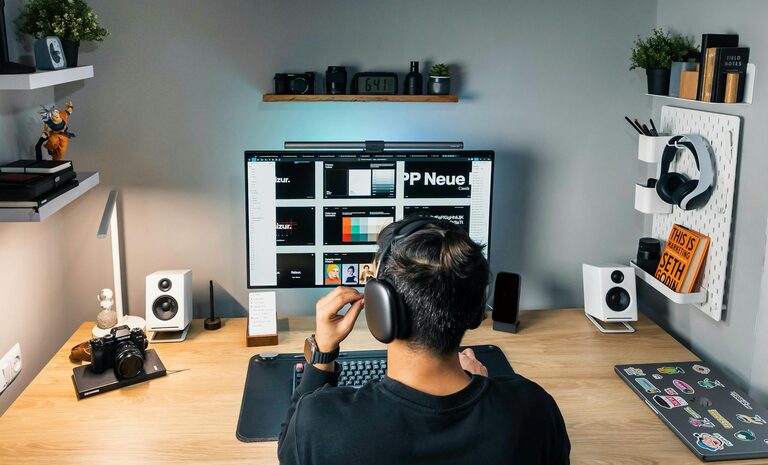
Keep only essential items on your desk to reduce distractions. Use desk organizers or trays to store stationery neatly.
Use Shelving and Storage Solutions
Maximize vertical space with shelves or storage cabinets. This helps keep documents and tools accessible but out of the way, maintaining a tidy area.
Cable Management
Tidy up cables with clips, sleeves, or under-desk trays. An organized workspace looks cleaner and reduces the chance of accidents or damage.
Add Personal and Cozy Touches
Decorate with Plants
Indoor plants not only improve air quality but also add a touch of nature that can boost your mood. Choose low-maintenance varieties like succulents or snake plants.
Use Soft Textures
Incorporate cozy elements such as cushions, rugs, or throws to add warmth to your space. These touches make your office feel inviting without compromising professionalism.
Choose Calming Colors
Colors influence how we feel while working. Soft blues, greens, or neutral tones create a relaxing atmosphere, whereas vibrant colors like yellow or orange may stimulate creativity and energy.
Optimize Lighting for Productivity
Layered Lighting
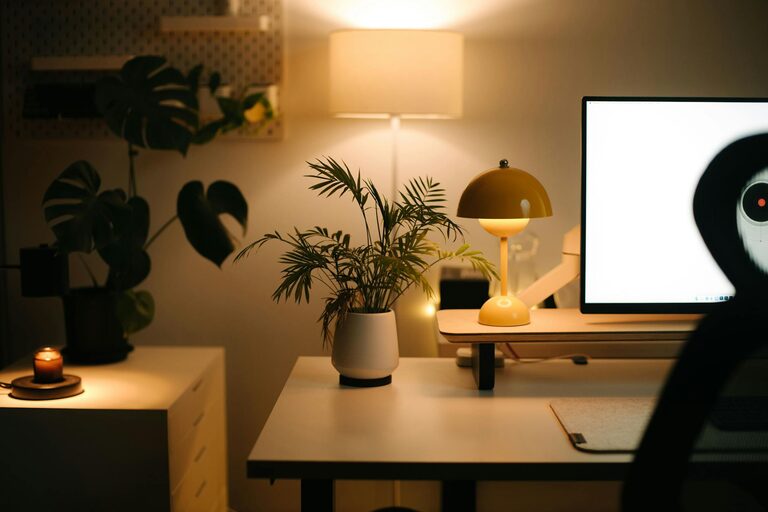
Combine overhead lighting with task lamps to reduce eye strain. Adjustable desk lamps provide focused light for reading and computer work.
Avoid Harsh Lighting
Use warm or natural light bulbs instead of overly bright or fluorescent lights to create a comfortable ambiance that keeps you alert but relaxed.
Incorporate Technology Thoughtfully
Invest in Quality Equipment
Reliable tech tools like a good monitor, keyboard, and mouse can increase comfort and efficiency.
Manage Screen Time
Position your monitor at eye level and take regular breaks to reduce eye strain and fatigue.
Establish Zones if Possible
If your space permits, create separate zones within your home office:
– Work zone: Desk and computer area.
– Relaxation zone: A comfortable chair or small sofa to read or take breaks.
– Storage zone: Shelves or cabinets for organizing supplies.
Designating areas helps your brain associate each zone with specific activities, aiding focus.
Keep a Routine
Even the coziest office cannot replace a regular work routine. Set clear working hours, take breaks, and avoid mixing work time with leisure to maintain productivity and work-life balance.
Final Thoughts
Creating a cozy and productive home office involves balancing comfort with organization and functionality. By considering lighting, furniture, organization, and personal touches, you can build a workspace that supports your professional needs while feeling like your own personal sanctuary. Remember, small changes often make a big difference in how you work and feel at home.
About the Author