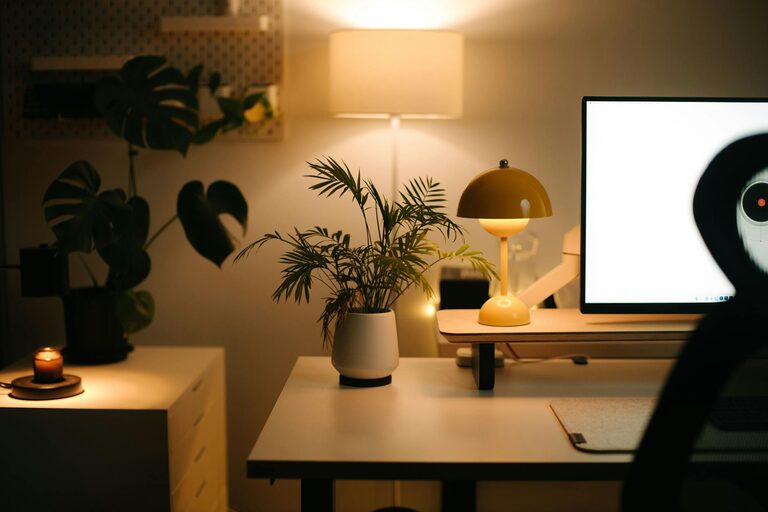
Creating a cozy and organized home workspace can make a big difference in your daily productivity and overall well-being. Whether you work from home full-time or need a dedicated spot for occasional tasks, a thoughtful setup helps you stay focused and comfortable. Here are some helpful tips to design a space that’s both inviting and efficient.
Choose the Right Location
The foundation of a good home workspace starts with location. Ideally, select a quiet area with minimal distractions, plenty of natural light, and enough space to accommodate your needs.
– Avoid heavy traffic zones: Pick a spot away from living rooms or kitchens where household activity might interrupt.
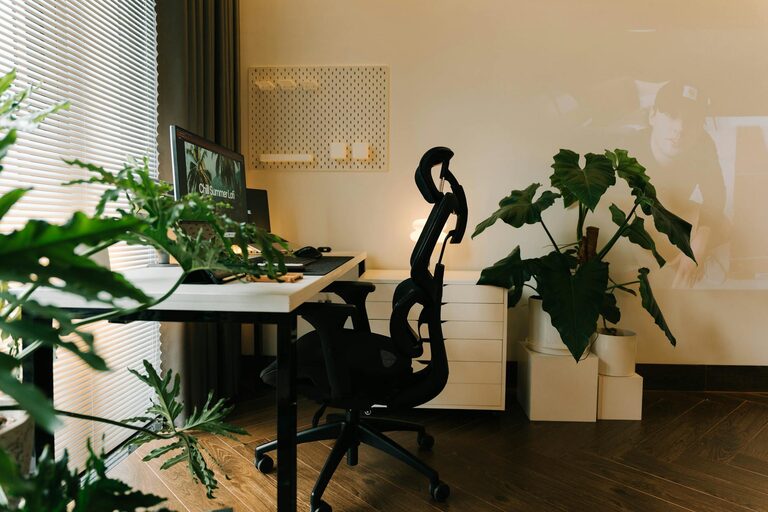
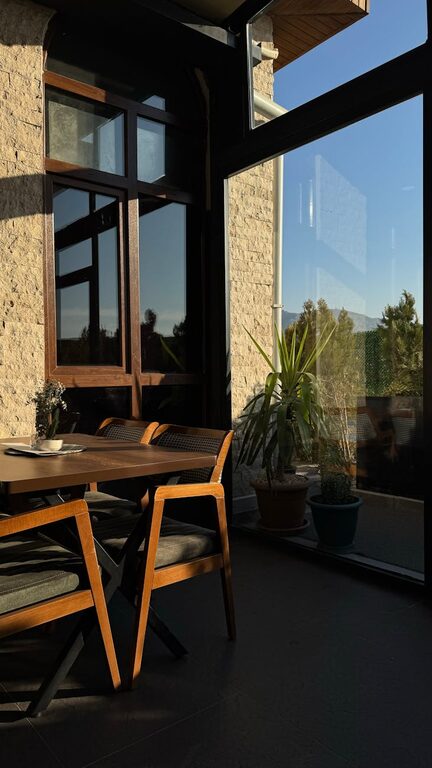
– Consider natural lighting: Position your desk near a window if possible. Natural light boosts mood and reduces eye strain.
– Think about ergonomics: Make sure you have enough room to move comfortably and set up your equipment at the right height.
Invest in Comfortable Furniture
Comfort plays a crucial role in maintaining focus and avoiding fatigue.
– Ergonomic chair: Opt for a chair that supports your back and encourages good posture.
– Appropriate desk height: Your desk should work well with your chair to keep your arms at a comfortable angle while typing.
– Extra seating: If space allows, add a cozy armchair or small sofa for breaks or brainstorming.
Maximize Organization with Smart Storage
Clutter can quickly affect your ability to concentrate. Use smart storage solutions to keep your workspace tidy and everything within reach.
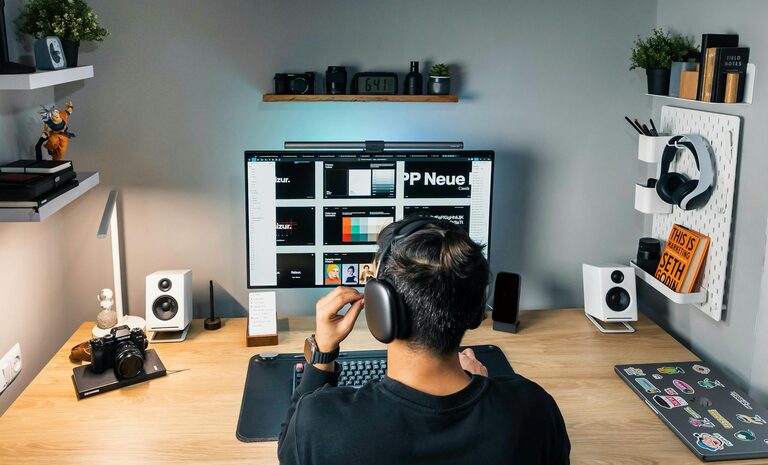
– Use shelves and cabinets: Vertical storage frees up desk space and keeps supplies organized.
– Drawer organizers: Keep small items like pens, paper clips, and sticky notes neatly separated.
– Cable management: Use clips or cable boxes to corral cords and avoid tangles.
Add Personal and Cozy Touches
Making your workspace feel inviting can increase motivation and reduce stress.
– Soft textures: Add a plush rug, cozy throw, or cushions to soften the look.
– Plants: Indoor plants bring life and fresh air to the space, improving mood and creativity.
– Artwork and photos: Display inspiring artwork or personal photos to create a space that feels uniquely yours.
Optimize Lighting for Function and Comfort
Proper lighting is essential for both your eyes and energy levels.
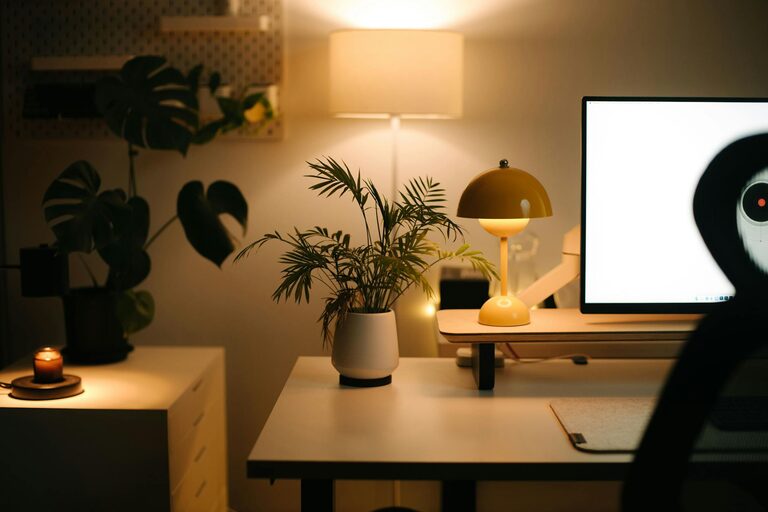
– Layer lighting: Combine ambient, task, and accent lighting to suit different needs.
– Adjustable desk lamp: A lamp with adjustable brightness and positioning helps reduce eye strain.
– Warm tones: Use bulbs that emit warm light to create a cozy atmosphere, especially in the evenings.
Keep Your Workspace Clean
A clean workspace fosters mental clarity and productivity.
– Daily tidying: Spend a few minutes at the end of each day putting things back in place.
– Regular deep cleaning: Wipe surfaces and dust shelves weekly to maintain a fresh environment.
– Minimalist approach: Try to keep only essential items on your desk to avoid distractions.
Personalize Your Workflow Setup
Customize your workspace to fit your specific work style and tasks.
– Tech tools: Ensure your computer, printer, and other gadgets are set up efficiently.
– Bulletin boards or whiteboards: Use these for notes, to-do lists, or inspiration.
– Use organizers: File holders, trays, or bins help manage paperwork and supplies.
Establish Boundaries Between Work and Home Life
Especially when working from home, clear boundaries help maintain a healthy balance.
– Dedicated workspace: Avoid working in places associated with relaxation, like the bed or couch.
– Defined work hours: Set specific times to start and stop work to avoid burnout.
– Visual cues: Close doors or use screens to separate work areas physically when needed.
Final Thoughts
Designing a cozy and organized home workspace is not just about aesthetics; it’s about creating a functional environment that supports your productivity and well-being. By choosing the right location, investing in comfortable furniture, maintaining organization, and adding personal touches, you can build a space that makes work feel less like a chore and more like a fulfilling part of your day. Start with small changes and adjust as you go to find what works best for you!
About the Author