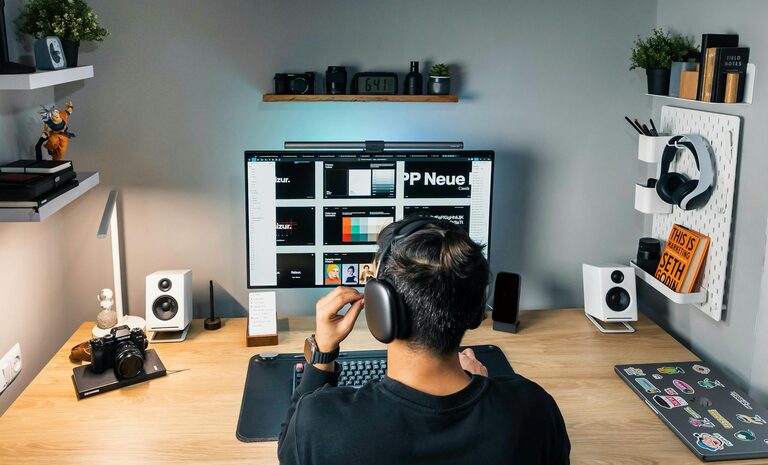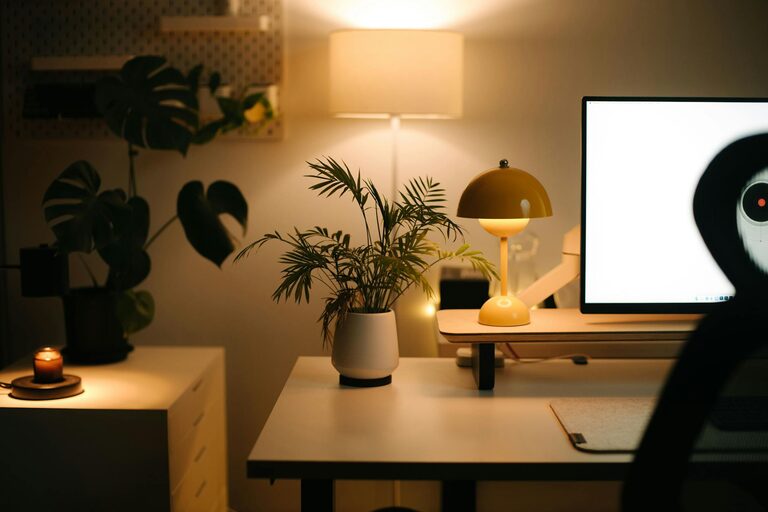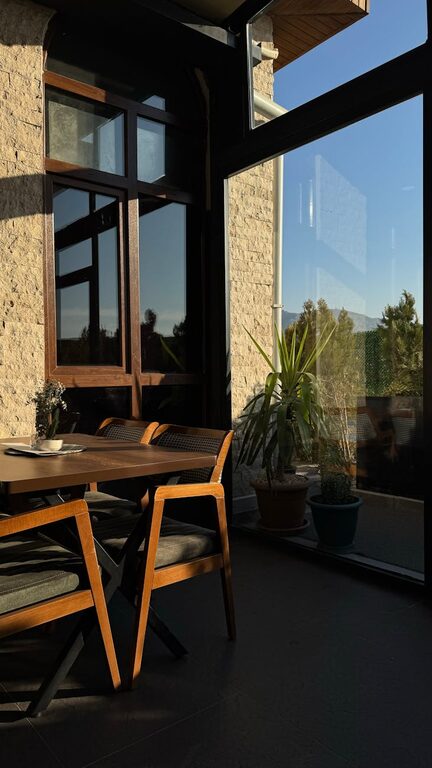
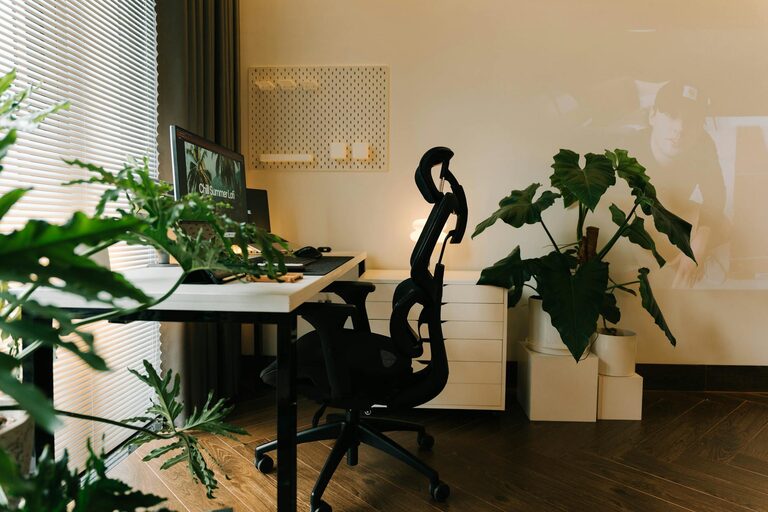
Creating a relaxing home office environment is essential for maintaining focus, reducing stress, and increasing productivity. Whether you work remotely full-time or occasionally take work home, your workspace should be a place where you feel comfortable and inspired. Here are some practical tips to help you design a home office that balances functionality with relaxation.
1. Choose the Right Location
Start by selecting a spot in your home that feels quiet and separate from daily distractions. Ideally, this space should have:
– Good natural lighting
– Minimal foot traffic
– Enough room for your desk and equipment
Avoid working from places associated with rest, such as your bed or couch, as this can blur the lines between work and relaxation.
2. Invest in Comfortable Furniture
Comfort is key to staying focused throughout the day. Consider these furniture essentials:
– Ergonomic chair: Supports your back and encourages good posture.
– Adjustable desk: Allows you to switch between sitting and standing positions.
– Sufficient desk space: Helps keep your work organized and clutter-free.
A comfortable setup reduces the risk of aches and improves your overall work performance.
3. Optimize Lighting
Lighting can significantly affect your mood and productivity. Here’s how to get it right:
– Use natural light whenever possible to create a bright, welcoming space.
– Supplement with soft, warm artificial lighting like desk lamps or floor lamps.
– Avoid harsh overhead lights that can cause eye strain.
– Position your screen to reduce glare.
Well-planned lighting creates a more inviting and less stressful work environment.
4. Declutter and Organize
A tidy workspace helps clear your mind and improve focus:
– Keep only essential items on your desk.
– Use organizers, shelves, and drawers to store supplies.
– Regularly clean and remove unnecessary papers or objects.
– Consider cable management solutions to keep cords neat.
An organized area can make tasks more manageable and your office more pleasant to work in.
5. Incorporate Calming Colors and Decor
Colors and decor influence how you feel in your workspace:
– Choose soft, soothing colors like light blues, greens, or neutrals.
– Add personal touches such as inspirational quotes or artwork.
– Include elements that bring you joy, but avoid clutter.
– Use natural materials such as wood or plants to create warmth.
Thoughtful decor contributes to a peaceful atmosphere and keeps you motivated.
6. Add Plants
Indoor plants not only enhance aesthetics but also improve air quality and reduce stress levels:
– Easy-care plants like succulents or snake plants are great for beginners.
– Place plants on your desk or nearby shelves.
– Consider a small herb garden if you enjoy gardening.
Plants bring a touch of nature indoors, helping you feel relaxed and refreshed.
7. Use Noise Control Techniques
Noise can be a major distraction, especially in busy households or apartments:
– Use noise-canceling headphones or earbuds.
– Play soft background music or white noise to drown out disruptive sounds.
– Install rugs or curtains to absorb sound.
– Close doors or use room dividers to block noise.
Managing noise helps maintain concentration and creates a tranquil workspace.
8. Maintain Good Air Quality and Temperature
Comfortable air quality and temperature encourage better focus:
– Open windows regularly for fresh air.
– Use an air purifier if needed.
– Adjust fans or heaters to maintain a comfortable temperature.
– Keep your workspace clean to prevent dust buildup.
A fresh and comfortable environment supports overall well-being during work hours.
9. Establish a Routine and Boundaries
A relaxing home office isn’t just about the physical space; routines are important too:
– Set regular work hours to maintain work-life balance.
– Take short breaks to stretch or step outside.
– Communicate boundaries with household members about your work times.
– Use a dedicated spot only for work to mentally separate work from leisure.
These habits help you stay focused and reduce the feeling of burnout.
10. Personalize Your Workspace
Finally, make your home office a place where you enjoy spending time:
– Display photos or mementos that inspire you.
– Use comfortable accessories like a cozy throw blanket or cushion.
– Incorporate scents you find soothing, like candles or essential oil diffusers.
Personal touches help you feel at ease and motivated throughout your workday.
—
Creating a relaxing home office environment is an investment in your productivity and well-being. By choosing the right location, investing in comfort, and adding personal touches, you can transform your workspace into a calm haven where good work and relaxation coexist naturally. Start small, and gradually tailor your space to what feels best for you!
About the Author